How to Manage Post-Event Cleanup for Corporate Conferences in London
Efficient turnarounds are essential for any successful corporate event, and a well-organised cleanup can significantly impact the success of your next event, ensuring venues are ready for the next gathering without a hitch.
This article explores the importance of pre-event preparation, best practices for waste management, and strategies tailored for various event spaces. It will also highlight how professional cleanup services can enhance efficiency and share tips to maintain cleanliness during the event. Discover how to streamline your post-event cleanup for a smoother, more productive performance.
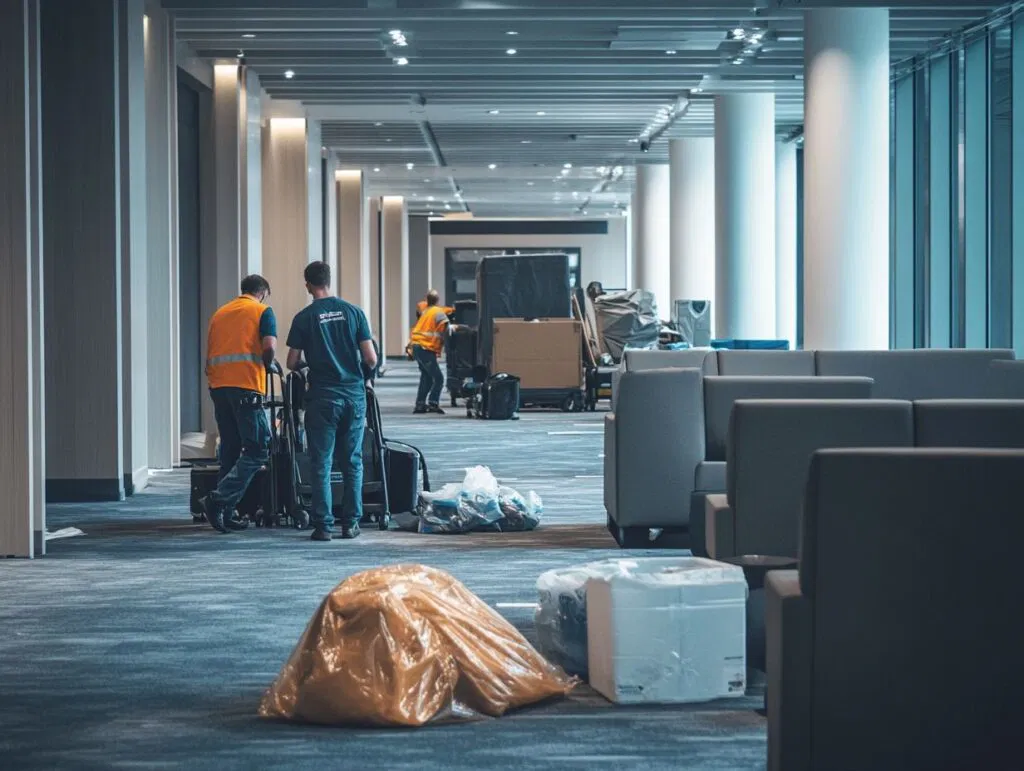
Why Efficient Turnarounds Are Important
Efficient turnarounds in event management are extremely important, especially in corporate conferences in London, where ensuring attendees have a great experience and meeting client expectations is key. A quick turnaround isn’t just about getting things done quickly; it’s also about maintaining high sanitation and waste management standards to ensure everyone’s health and safety.
A well-organised post-event cleanup can enhance delegate satisfaction and build positive community relations for future events.
By meticulously planning and executing all the logistical aspects—such as removing waste on time and thoroughly sanitising facilities—you’re setting yourself up for success. When you prioritise these elements, you not only adhere to regulations but also inspire confidence in attendees regarding their well-being.
The impact of a successful, efficient turnaround goes beyond happy delegates; it also enhances your organisation’s reputation. Attendees are more likely to return for future events, knowing they can rely on a safe environment and an unforgettable experience.
Pre-Event Preparation for Easy Cleanup
Thorough preparation is key to making the cleanup after your event a breeze. This means researching detailed event planning, effectively managing logistics, and creating a comprehensive checklist that covers everything from coordinating with suppliers to hiring equipment.
These steps will prepare for an easy post-event cleanup, meet client expectations, and enhance operational efficiency.
Planning and Organising for Smooth Cleanup
Planning your clean-up schedule is crucial for a smooth post-event experience. It helps all your team members understand their job assignments and responsibilities. Setting up a clear communication plan and ensuring everyone is trained can help you track resources effectively. This leads to a quicker turnaround and higher satisfaction among attendees and stakeholders.
A well-structured clean-up schedule not only boosts efficiency but also cuts down on confusion among the staff. When everyone knows what is expected, it promotes teamwork and accountability, creating a more organised environment during those hectic moments that often follow events.
Effective communication is the backbone of this process; it allows for quick adjustments and real-time feedback, which is essential in dynamic situations.
Investing in staff training prepares individuals to tackle their specific tasks confidently, ultimately contributing to a successful clean-up operation that helps maintain the event’s positive reputation.
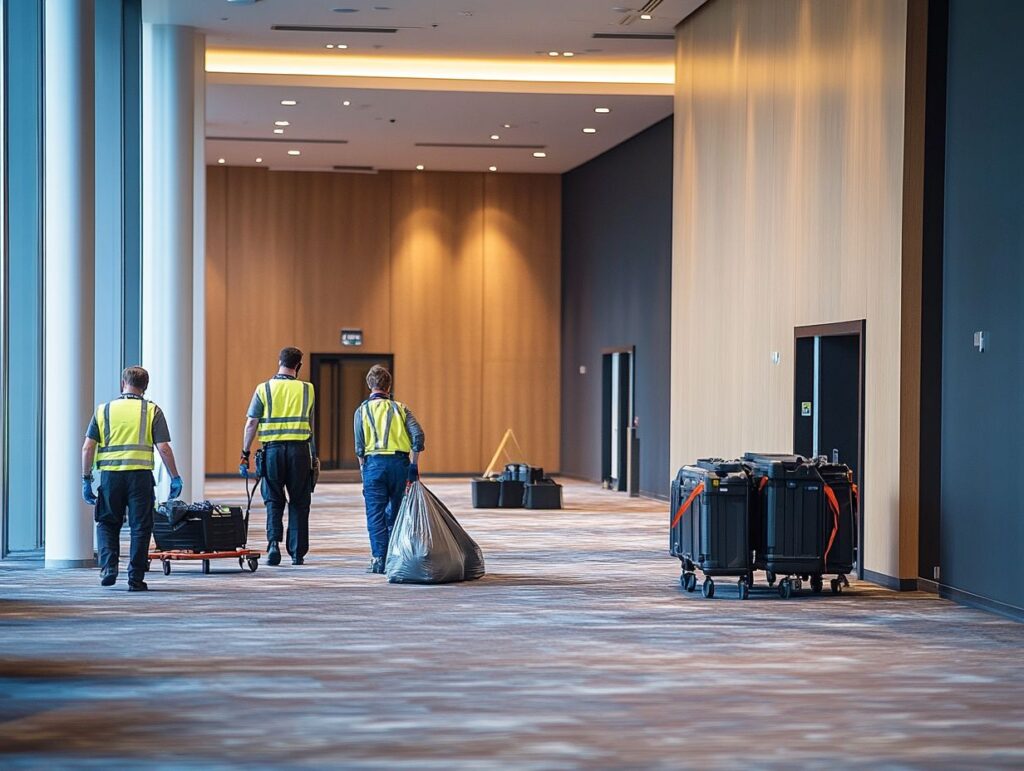
Best Practices for Post-Event Cleanup
Implementing best practices for post-event clean-up ensures all waste is managed efficiently and sanitation standards are met. This means bringing in a skilled clean-up crew that knows the ins and outs of recycling and proper waste disposal.
Additionally, it’s a good idea to set up performance metrics to evaluate the effectiveness of your clean-up strategies. This way, you can see what’s working and what might need a slight adjustment next time.
Proper Disposal of Waste and Recycling
Proper waste disposal and recycling aren’t just about following the law; they’re your way of showing commitment to the environment. When you ensure that rubbish is disposed of correctly and place recycling bins where they’re easy to find, you’re actively helping reduce waste and adhering to local regulations.
Both individuals and communities must adopt habits that lower their ecological footprint. Using designated collection points for recyclables such as cardboard, glass, and plastics can boost the chances that these materials are processed correctly instead of ending up in overcrowded landfills.
By understanding and following the guidelines set by local authorities, you can avoid fines and contribute to the bigger picture of sustainability. Furthermore, engaging in educational programmes about waste management can spark a sense of community responsibility, creating an atmosphere where sustainable practices can flourish.
Cleaning and Restocking Supplies
Cleaning and restocking supplies are crucial to your post-event clean-up process, ensuring the venue is ready for whatever comes next. By keeping an updated inventory of cleaning supplies and adhering to established cleaning protocols, you can achieve top-notch sanitation standards and enhance the overall experience for everyone attending.
This practice promotes health and safety and demonstrates your commitment to excellence in event management. Proactively restocking essential supplies, such as sanitisers, disinfectants, and cleaning tools, helps avoid last-minute scrambles and creates an environment where cleanliness is a priority.
Maintaining a detailed equipment inventory allows you to replenish supplies on time, minimising downtime and ensuring a well-prepared venue supports every future gathering. Focusing on thorough cleaning and efficient inventory management lays the groundwork for memorable and successful events.
Efficient Turnaround Strategies for Different Event Spaces
Your turnaround strategies will depend on the event space you’re working with—a ballroom, convention centre, or meeting room. It is essential to manage the venue effectively and get a solid grasp of the site layout.
This understanding is key for optimising your logistics planning, helping you achieve a quicker clean-up and a smooth transition between events.
Ballrooms and Convention Centers
Effective logistics are key to a smooth cleanup When dealing with large venues like ballrooms and convention centres. Having a well-trained cleanup crew on hand means they can navigate these spaces like professionals, ensuring everything runs efficiently and quickly, which is essential for keeping your clients happy.
It’s vital to employ specific strategies tailored for large event spaces. This helps your team manage timelines effectively while tackling the unique challenges of the layout. For example, strategically deploying crew members can reduce bottlenecks, allowing tasks like waste removal, floor cleaning, and resetting furniture simultaneously.
Using specialised equipment during the cleanup process speeds things up and ensures that the cleanliness standards meet the high expectations of various clients. By prioritising communication and coordination, your crew can adapt to whatever comes their way and keep everything running smoothly.
Meeting Rooms and Breakout Spaces
Managing the cleanup of meeting rooms and breakout spaces takes a different approach than larger venues. You’ll want to focus on quick space management and stick to a structured cleanup timeline. This way, you keep attendee satisfaction high and ensure the venue is ready for the next sessions without delays.
In these compact environments, every minute does count, especially since the transition from one group to another can happen in the blink of an eye. Effective cleaning protocols that allow minimal disruption while meeting hygiene standards are crucial.
You must also consider these spaces’ unique layouts and equipment; movable furniture and technology require careful handling.
Creating pre-established checklists helps streamline the cleanup process, ensuring every area receives the attention it needs. Don’t forget to sanitise high-touch surfaces and arrange seating to efficiently meet the new configuration needs.
Working with Professional Cleanup Services
Collaborating with professional cleaning services can enhance your post-event cleaning efforts. It’s not just about throwing out the rubbish; it has so many benefits.
Establishing service contracts and building strong relationships with suppliers can improve performance metrics and ensure that you’re meeting client expectations and sustainability goals.
Benefits and Considerations
Outsourcing your cleanup efforts to professional services pays off, improving efficiency and helping you manage costs effectively. It’s smart to weigh these benefits against things like supplier relationships and getting stakeholders on board to ensure your events turn out brilliantly.
When you consider this option, consider how these professional services can streamline your operations. This way, your internal teams can focus on what they do best while ensuring the cleanup happens quickly and smoothly.
Engaging stakeholders early in the process is key; it builds collaboration and transparency, enhancing trust and satisfaction. Plus, don’t forget to consider the long-term financial impact. Those initial costs might lead to savings by reducing resource waste and keeping your attendees content.
Balancing all these factors will help you make the best decision and achieve optimised results.
Tips for Maintaining Cleanliness During the Event
Keeping things clean during your event is extremely important—not just for hygiene but also to ensure everyone has a great experience. By using effective communication strategies and having staff dedicated to monitoring cleanliness, you can create a pleasant atmosphere that meets your clients’ expectations.
Preventing Excessive Mess and Damage
Preventing excessive mess and potential damage during events is key to keeping things running smoothly and staying compliant with health and safety standards. By training your staff thoroughly, setting clear cleaning protocols, and having a proactive emergency response plan, you can mitigate risks and set yourself up for a successful event.
Regular drills and scenario-based training can boost your team’s preparedness alongside these strategies. This way, they’ll be ready to respond swiftly and efficiently if something unexpected arises.
Encouraging open communication among team members creates a collaborative environment, ensuring everyone knows their responsibilities during the event. Furthermore, providing the right tools and resources can significantly minimise potential hazards. By prioritising these strategies, you’re laying the groundwork for a seamless event experience, reducing the chances of disruptions and maintaining a positive atmosphere for all your attendees.